I come out and look at it myself
I come out to see the area, hear what you want and answer your questions, whether the job is inside or out. Then I write up the estimate, so you have the method and the price in front of you.
Tired of a plain gray slab? We pick the color and finish method for where it's going, so it looks right and lasts.
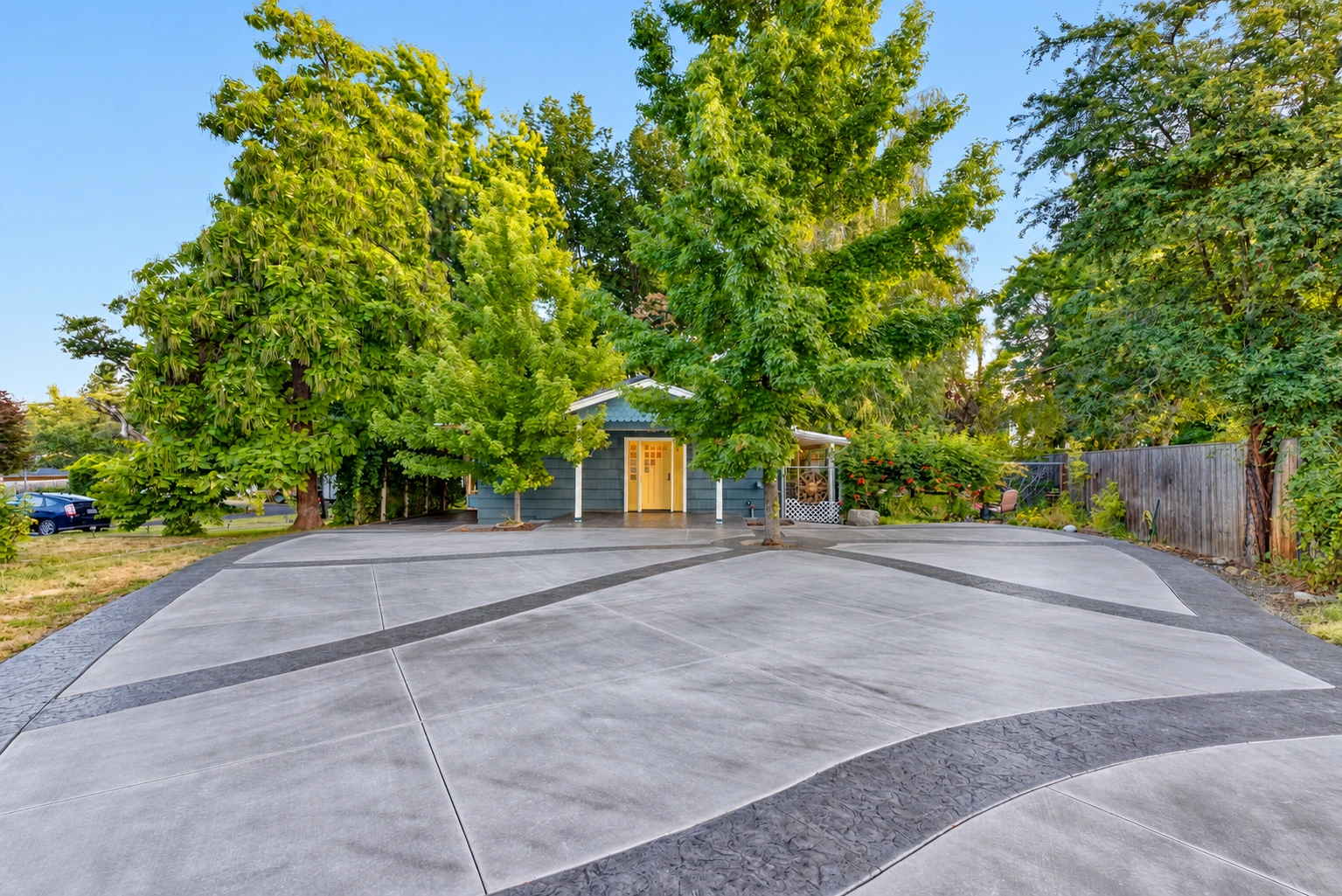
Decorative concrete in Calabasas is concrete given color, texture or a pattern, so a patio, walk or floor looks like more than a gray slab. The methods include color mixed into the concrete, color hardener, stains, dyes, stamping, exposed stone, polishing and sealer, used alone or together on one job.
Most people who call us have a plain or tired slab, or they're planning a new patio or floor and want it to look finished. The first thing we sort out with you is where it's going and how much upkeep you'll put up with, because some color methods belong indoors, some hold up outside, and some need care down the road.
The price moves with the size of the area, how many methods you combine on one surface and how much handwork the finish takes. The schedule turns on whether the city wants a permit and plan review, the weather on pour day and the curing time, which is the wait while the concrete gains strength before you use it. Once I've seen the site, the estimate I write up gives you the figure for your job.
I learned this trade on a crew and started this business in Calabasas in 2020, and I still handle the parts of a job that decide how it turns out.
I come out to see the area, hear what you want and answer your questions, whether the job is inside or out. Then I write up the estimate, so you have the method and the price in front of you.
We're fully licensed and insured. California's contractor license board counts forming, pouring, finishing and installing flat concrete as a concrete contractor's work, and that's the work we do, finish and all.
Once you're ready, we sort out whatever the city asks for and do the prep. I'm on the job with our crew through the pour and the cleanup, so the person who wrote your estimate is the one watching the color go on.
I start with where the concrete's going and how much upkeep you want, because those two things should pick the color method. On a new pour we get the ground, forms and steel right first. Then the color goes in, either mixed into the concrete before it's placed or worked into the top while it's being finished, and the texture or pattern goes on before it sets. Color hardener takes a careful hand, so we take our time with it, since hardener that's rushed or worked in badly can lift off in thin layers later with weather and wear.
Color and texture aren't only for flatwork, the patios, walks and floors that lie flat on the ground. If you're adding concrete retaining walls beside a new patio, we can finish them so the two go together. Inside the house, colored and polished finishes start with concrete floor installation, and we plan the finish before that floor gets poured.
Most of what makes decorative concrete last happens before anyone sees the color.
We agree on color, texture and pattern up front, because color that goes into the mix can't be changed once the truck is pouring. If you're on the fence, we'll walk through the choices with you before anything gets ordered.
The subgrade is the ground the slab sits on, and we dig it out and pack it firm instead of raking it level, because loose dirt settles and takes the slab with it. If the budget gets tight, I'd rather spend on the base you'll never see than on a fancier finish, because a nice finish doesn't help a slab that's sinking.
Rebar, the steel grid inside the slab, helps hold the concrete together if it cracks, and we set it with the forms before the pour. We'd rather pour early in the day than in midday heat, which can leave a weak, dusty top later.
Control joints are shallow cuts that give the concrete a place to crack where we choose, so we cut them on time instead of letting the slab pick its own lines. Then it gets its curing time, and we'll tell you when it's ready for foot traffic and when it can take more.
Tell us about the area, by the form or at (747) 269-3817, and we'll reply within one business day to set up a visit. I'll come out, look at the site and answer your questions, then write up a free estimate with no obligation and no pressure to book. It helps to have the rough size, whether it's indoors or out, and a few photos ready.
(747) 269-3817Dyes don't, because one concrete color maker says their pigments fade in sunlight, so dyes are for indoor projects only. Outside, you pick another method, such as color mixed into the concrete or a color hardener, and we help you choose by how much upkeep you want.
Color mixed into the concrete keeps showing as the surface wears, because it runs through the whole slab and needs no re-staining, which is why it suits a new pour. One pigment maker says color hardener makes a denser surface that resists wear and lasts longer, and with a stain, how long it lasts depends on traffic, weather, abuse, the sealer used and the upkeep it gets.
Stamped concrete in Los Angeles usually costs about $15 to $30 per square foot. That's the going rate for stamped work across the area, not our price, and stains, dyes and other finishes price differently, so the estimate I write after seeing your site gives you the figure for your job.
Call the city's Planner on duty at (818) 224-1600 before you apply, and they'll tell you which permit applies to your project. Permits are issued by the city's Building and Safety Division. Whether a job needs one is the city's call, not ours, so we check with the office that covers your address before we start and work through what they ask for with you.
In Calabasas, the same city division that issues permits also reviews building plans and inspects construction, so if your project needs a permit, both the plans and the work go past that office. We build that review and those inspections into the schedule instead of pouring around them.
We're based in Calabasas and work across the cities around it, including Agoura Hills, Westlake Village and Thousand Oaks. Around here we mostly see patios, entry walks and pool surrounds where people want something warmer than gray, and the same questions about color and upkeep come up everywhere. If your city isn't on our list, call and ask.
With the size, whether it's inside or out, and a few pictures, I can come to the visit ready to talk choices instead of basics, so call (747) 269-3817, email hi@calabasasconcrete.com or use the form.
If you're still deciding between color in the mix and a stain, call (747) 269-3817 and I'll walk you through it.
Tell us about your project