Mon–Sun: 8 AM–9 PM(747) 269-3817
Precision Calabasas ConcretePrecision Calabasas Concrete

Concrete cutting in Calabasas CA - clean openings, planned before the saw starts

Need an opening sawed or a section of slab taken out? We check what's inside first, then cut clean and keep the mess contained.

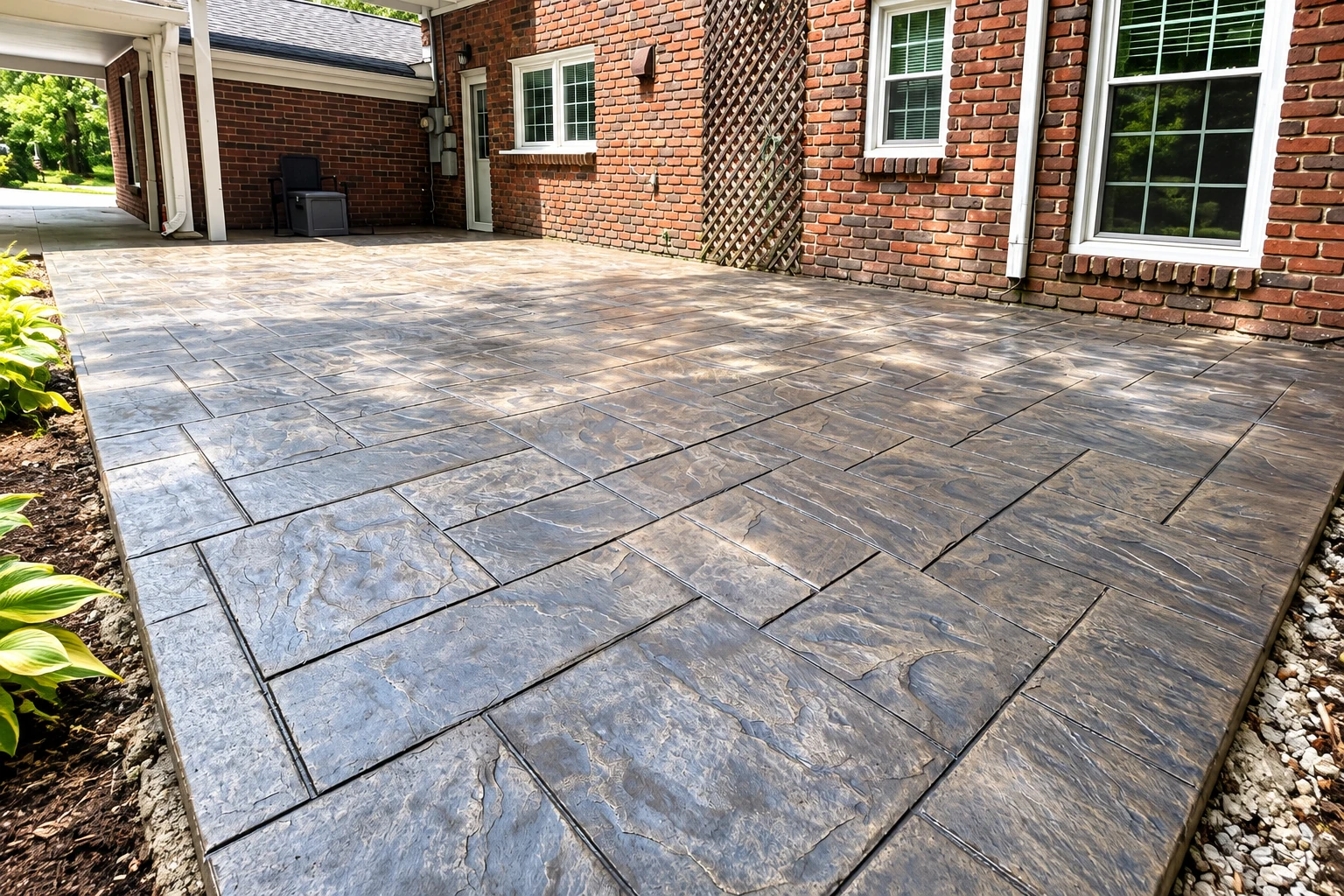
Stamped concrete patio with large gray and tan stone-pattern sections beside a brick house.

What does it take to cut an opening in a concrete slab or wall?

Concrete cutting in Calabasas means sawing straight lines or core drilling round holes through a slab or wall. That opens it up for a doorway, a pipe run or a section you want taken out, and the concrete around it stays put.

Most people call us because something has to go through concrete that's already there. It might be a new door in a concrete wall, a drain line under the garage slab, or a cracked piece of driveway that has to come out clean so it can be poured back. The saw isn't the hard part. The hard part is knowing what's inside the slab and where the dust and water end up.

The price moves with how long and how deep the cut is, whether it's a wall or a slab, whether it's inside or outside, wet or dry, and how much containment and cleanup the job needs. The schedule mostly turns on getting the slab checked first and on any permit the city asks for, and your estimate gives you the figure for your own cut. The state licensing board lists sawing, breaking and coring under its concrete-related services classification, so make sure whoever bids your cut is licensed for that work.

What happens after you call us about a cut?

I've run this business since 2020, and I do the first visit myself, because a cut is easier to get right when the person bidding it is the one standing over it.

I come out and look at the cut myself

I walk the spot with you, look at what's around it and listen to what you need the opening for. Ask me anything then, because I'd rather answer one more question before we start than leave you guessing afterward.

A written estimate before anything gets booked

After the visit I write up the estimate for your cut, so you have it in front of you while you decide. Once you're ready, we sort out the paperwork and do the prep.

Licensed, insured and on site through cleanup

We're fully licensed and insured. I'm on the job with our crew through the cut and the cleanup, so the person who planned it is there when it happens.

How we handle concrete cutting

Before we cut, we make sure the slab gets checked for steel and cables, because sawing through either one can turn a simple opening into a structural repair. Then we settle with you how we'll keep the dust down and where the water and slurry go, so nobody finds gray sludge running across the patio afterward. We pick wet or dry cutting by how long the cut is and where it is. The checking and the containment are what people want to trim from the budget, since nothing shows for them once the job's done, and they're the parts I won't skip.

Most cuts lead into other work. If you're taking out a cracked section, we can pour it back as part of our concrete driveway building work. If you're opening up a slab out back for drainage or a new layout, we pick it up from there with concrete patio construction.

  • Sawed openings for doors and windows in concrete walls
  • Core drilled holes for pipe, drains and conduit
  • Slab cuts and trenches for plumbing and drainage lines
  • Section removal from driveways, patios and walks
  • A dust and slurry plan agreed with you before we start

How a cutting day goes

The cut itself is usually the shortest part of the job. Here's the order we work in once the planning is done.

  1. Mark the lines with you

    We snap the cut lines and confirm the depth with you on site, so we both agree where the opening goes before the blade touches anything.

  2. Check the slab and set up containment

    The slab gets checked for anything buried in it, and we set up the containment we agreed on. That might be a vacuum on the saw or barriers and recovery for wet slurry.

  3. Cut, core and break out

    We saw or core at a steady pace and let the blade do the work, because forcing it overheats the blade and chips the edges you'll be living with. Then the pieces come out in sizes we can carry and haul.

  4. Clean up and hand it back

    We collect the dust and slurry the way we planned, haul off the broken concrete and leave clean edges for whatever comes next. If the opening is getting poured back, you'll know what it needs before we leave.

Get a plan and a price for your concrete cut

Tell us where the cut is and how big it needs to be, and send any structural drawings or post-tensioning records you have, or call (747) 269-3817. We reply within one business day, and then I come out, look at the site and write up a free estimate. There's no obligation and no pressure to book.

(747) 269-3817

Questions about concrete cutting

Should a concrete cut be done wet or dry?

Wet cutting usually suits long or deep cuts, and dry cutting suits short cuts or spots where water isn't practical. One tool supplier says water cuts down dust and heat and makes the blade last longer, while dry cutting is faster to set up. For indoor cuts without water, the same supplier recommends a shroud and vacuum on the saw, which cuts slower but leaves nothing on your floors and won't hurt your finishes.

Does my slab need to be scanned before cutting in Calabasas?

If your slab is post-tensioned, with steel cables pulled tight inside it, one scanning firm advises a professional scan before any drilling, coring or cutting, because drawings and what you can see on the surface aren't enough to know where the cables are. A scan can also find rebar and conduit, so it's worth planning into the job. If you have the latest structural drawings or post-tensioning records, have them ready for the first visit.

What happens to the water and slurry from cutting concrete?

The slurry, the gray wet waste from the saw, gets collected and taken away by a plan agreed with you before work begins, which is what the concrete sawing industry's specification calls for. One tool supplier notes that the water is alkaline and on most sites can't go down a drain, so jobs budget for containment, vacuum recovery and a set way to get rid of it.

How much does concrete cutting cost per foot?

Professional concrete cutting across the US usually costs about $3 to $10 per linear foot. Where a job lands in that range turns on depth, wet or dry cutting, indoor work and how much containment the slurry needs. Your on-site estimate gives you the figure for your own cut.

Cutting concrete on a Calabasas property

If the cut reaches into the public right-of-way, like a sidewalk or the strip by the street, the city requires an encroachment permit, and the city's Maintenance Division handles those. Beyond that, whether a job needs a permit is up to the city or county, so we check with the office that covers your address before we start and work through what they ask for with you. In Calabasas, the city's Building and Safety Division is the place to ask, at (818)-224-2534. We're based in Calabasas and work across the cities around it, and if your city isn't on our list, call and ask.

Cutting concrete throws off fine silica dust, which Cal/OSHA calls a known cause of cancer and of silicosis, an incurable lung disease that's often fatal. California's construction silica rule has employers fully use the dust controls, work practices and breathing protection set for each listed task, or else measure and limit what workers breathe another way. That's why dust control is part of how we plan every cut, and it's a fair thing to ask any crew about before they start.

Send us the size and spot of your cut

A photo and rough measurements sent to hi@calabasasconcrete.com, or a call to (747) 269-3817, let me show up knowing what the cut needs.

If you've got a question about a cut, call or write and I'll walk you through it.

Tell us about your project
(747) 269-3817Get an estimate