I come out and walk the lot myself
I look at the ground, the old pavement if there is any and where the water runs, and I listen to what you need the lot to do. Then I answer your questions and write up the estimate from what I saw.
Cracked, sinking or patched pavement on your lot? We build a concrete lot sized for the vehicles that use it, on firm, even ground.
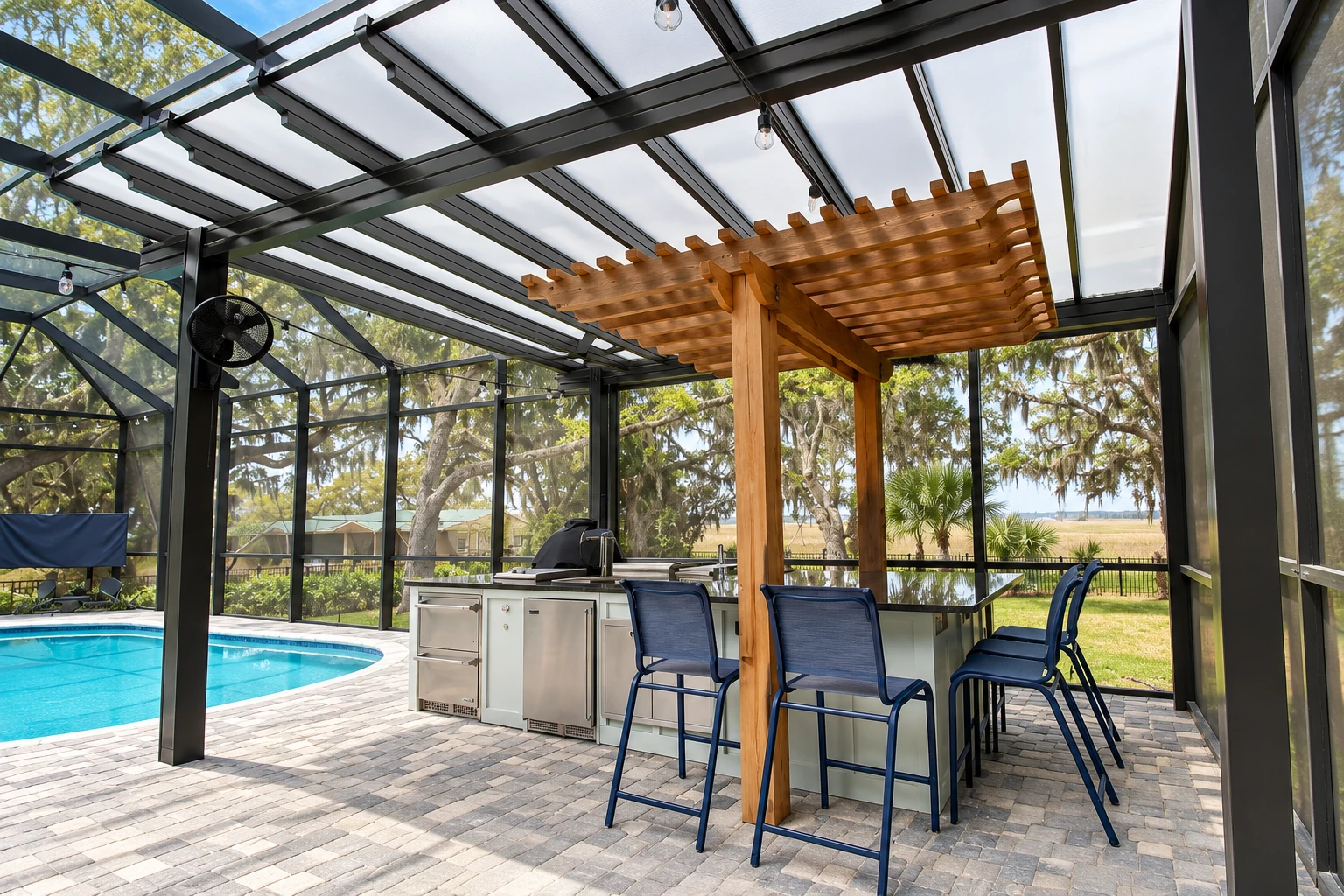
Concrete parking lot building in Calabasas means getting the ground ready, then forming and pouring slabs sized for the cars and trucks that will use the lot. A lot built that way can hold up for many years with little upkeep.
Most calls start with a lot that's letting someone down, with old pavement breaking up, slabs sinking at the edges or water standing after a rain. The price moves with the size of the lot, how thick the slabs need to be for your heaviest vehicles, how much soft ground has to come out and whether old pavement has to be torn out and hauled away first. The schedule turns on the city's paperwork, the weather and whether parts of the lot have to stay open while we work.
At Precision Calabasas Concrete, I walk the lot before I put a number on it, because the ground and the drainage matter as much as the square footage does. Your own figure comes from the estimate I write after that visit, and I'd rather answer your questions on that walk than leave you guessing after the pour.
Here's how it goes from your first call to the last load of debris leaving the lot, and who you deal with at each step.
I look at the ground, the old pavement if there is any and where the water runs, and I listen to what you need the lot to do. Then I answer your questions and write up the estimate from what I saw.
We're fully licensed and insured. I learned the trade as a helper on a concrete crew, setting forms and hauling, and I started this business in Calabasas in 2020.
Once you're ready, we sort out the paperwork and the prep, and I'm on the job with our crew through the pour and the cleanup. Satisfaction guaranteed on every job.
I start by asking what the heaviest vehicles on the lot will be, whether that's a delivery truck, a trash truck or just cars, because that one answer sets how thick the slabs need to be and how much rebar, the steel that holds the slab together, goes in them. Then we get the subgrade, the soil the slab sits on, firm and even, digging out soft spots and packing what's left so the slab gets the same support everywhere. A slab spreads weight well, so it doesn't ask much of the ground, but a hard spot next to a soft one is where it settles and cracks. We also check where the water runs, so the finished lot sheds rain away from your buildings instead of toward them. If the budget gets tight, I'd rather you save on the finish than on the ground, because you can redo a surface later but you can't fix what's under it without tearing the lot out.
Parking lots often come with other work around them. Light poles, carports and walls along the edge stand on concrete footings, and we pour those with the lot when it needs them. If a building beside the lot has settled and its floor or step no longer meets the new pavement evenly, foundation raising can bring it back up before we pour against it.
Once the ground is ready, the work happens in this order, and each step leans on the one before it.
We mark the slabs, entrances and low points on the ground and set the forms, the edges that hold the concrete in shape. The layout decides where water runs and where vehicles turn, so we get it right before anything else.
We set the rebar up on supports so it ends up inside the slab instead of lying on the dirt, where it does no good. We check it before the truck shows up, because nobody can move it once the concrete is around it.
We schedule pours for the cooler hours, because concrete placed in midday heat dries too fast on top and can leave a weak, dusty surface. Then we give it a broom finish, a light texture dragged across the top so tires and shoes grip when it's wet.
Concrete cracks, so we cut control joints, straight grooves that give the slab a place to crack, soon after the pour, before the slab picks its own lines. Then we pull the forms, haul off the debris and walk the lot with you.
Tell us the lot's rough size, the heaviest vehicles it will carry and whether it replaces old pavement, through the form, by phone at (747) 269-3817 or at hi@calabasasconcrete.com. We reply within one business day, and then I come out, walk the lot, answer your questions and write up a free estimate. There's no pressure to book.
(747) 269-3817Most lots fall between 4 and 6 inches or more, set by the heaviest vehicles that will use them. A Michigan concrete trade group suggests 4 inches for cars and light trucks, 5 inches for light to medium trucks and 6 inches or more for heavier trucks. The final depth belongs in the plans for your lot, which is why I ask about your vehicles first.
Concrete lots typically get their first spot repairs at around 10 to 15 years, while the damage is still small. Fixing just the damaged areas is the least costly first step and the least disruptive, so it's worth planning for around then. If your current lot is near that age, we can look at whether spot repairs or a new pour makes more sense.
It can, because the city says repaving that clears, grades or digs into the soil underneath needs State General Construction Permit coverage when more than one acre is disturbed or the work is part of a larger plan. A small lot on its own may not reach that size, but digging out old pavement counts as disturbing the soil. It's part of the paperwork we check with the city before any digging starts.
California's contractor licensing board puts pavement and flatwork, the flat slabs you drive and walk on, under its concrete contractor classification. That classification covers forming, pouring, placing, finishing and installing the concrete, which is the whole job on a parking lot.
Most of the rules that touch a parking lot here run through the Calabasas Public Works Department. Any work in the public right-of-way, the street and the strip along it, needs an Encroachment Permit that the department reviews and approves, and that usually comes up where a lot's entrance meets the street. The department also oversees grading and drainage on land development, so how a new lot is shaped and where its water goes falls under its oversight. Whether your job needs a permit is up to the city or county, so we check with the office that covers your address before we start and work through what they ask for with you. The city puts getting the right permits on the developers, engineers and contractors, so it's fair to ask which of us handles each one.
The city also intends to use Low Impact Development, ways of managing rain and runoff, on all development and redevelopment where it's technically feasible, so expect drainage to get a close look on a new lot. If the lot serves a business open to the public, the state's access rules apply too, and the building official who reviews your plans answers questions about meeting them. We're based in Calabasas and work across the cities around it, and if your city isn't on our list, call and ask.
Call (747) 269-3817 or send the form, since an early look lets us plan the work around the days and hours your lot has to stay open.
If you've got a question about your lot before you're ready for an estimate, send it over and I'll answer it.
Tell us about your project